Properties Cleared Before Weather Shifts
Seasonal Yard Cleanup in Newburgh for lawns and landscapes burdened with fallen leaves, storm debris, and overgrown vegetation
Leaves left matted across turf through winter smother grass and create dead patches visible once spring growth begins, while uncleared branches and debris block mower access and hide pest habitat. Flittner Lawn Service removes accumulated organic material, trims back overgrowth, and clears walkways and beds so your property enters the next season without carryover problems that interfere with new growth or routine maintenance.
Cleanup involves raking or blowing leaf cover from lawn areas, removing fallen branches and storm debris from beds and turf, cutting back perennials that have died back for the season, and hauling away all collected material. The process exposes the soil surface to air and prepares planting areas for fresh mulch or new installations when the growing season resumes.
Request a cleanup estimate to address seasonal debris accumulation on your residential or commercial property.
What Proper Cleanup Prevents Long-Term
Seasonal cleanup removes the conditions that allow fungal diseases to overwinter in dead plant material and prevents thatch buildup that chokes out healthy turf in spring. Fall cleanup clears leaves before they mat down under snow and ice, while spring cleanup removes winter damage and prepares beds for planting without old growth interfering with new installations.
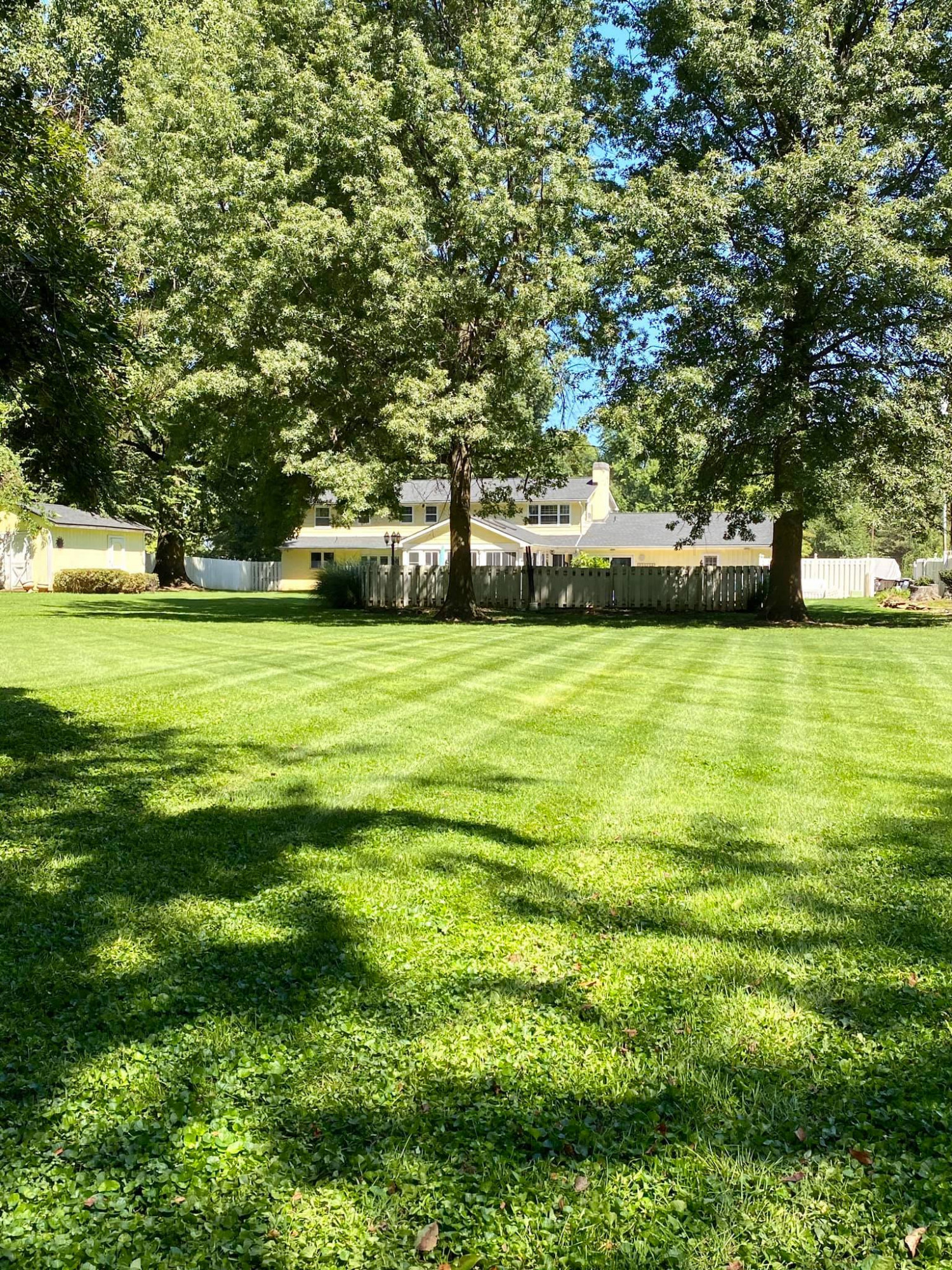
After cleanup is finished, lawn areas show consistent green coverage without dead spots, beds are visible and ready for mulch or planting, and walkways and driveways are clear of organic debris that stains concrete or blocks drainage. Your property looks maintained instead of neglected, which directly affects curb appeal during listing periods or seasonal business cycles.
The service includes disposal of all removed material and edging adjustments where debris has obscured bed lines or allowed grass to creep into planting areas. Flittner Lawn Service schedules cleanups during spring and fall transition periods when debris removal has the most impact on upcoming lawn and landscape performance.
What Property Owners Usually Ask
Homeowners and business managers commonly ask about timing, what gets removed versus what stays, and how cleanup prepares the property for the next growing phase.
- When should fall cleanup happen to prevent turf damage? Cleanup should occur after most leaves have fallen but before heavy snow or ice packs them into a matted layer that blocks air from reaching grass crowns through winter.
- What gets removed during a spring cleanup? Dead annual plant material, broken branches from winter storms, leftover leaf accumulation in corners and beds, and early-emerging weeds all get cleared so new growth starts in clean conditions.
- How does seasonal cleanup improve lawn health going forward? Removing thatch and debris allows sunlight, water, and air to reach grass roots and soil surface, which improves germination rates for overseeding and reduces disease pressure from decomposing organic matter.
- Why is debris removal important before mulch application? Old leaves and broken plant stems trap moisture against the soil and create uneven mulch depth if not cleared first, leading to wet spots that encourage root rot and fungal growth.
- What happens to the debris after it is collected? All raked leaves, branches, and plant material get hauled away and disposed of properly so your property is left clean without piles waiting for municipal pickup.
Flittner Lawn Service handles seasonal cleanup for properties of all sizes, from residential lawns to commercial landscapes covering multiple acres. Reach out to schedule spring or fall cleanup based on current property conditions and upcoming seasonal needs.
Contact Us